26
Feb
Energy Efficiency Permits in Climate Resilient and Sustainable Hotels and Resorts Development
“Going green isn’t just about saving the planet; it’s about saving money.” – Barack Obama
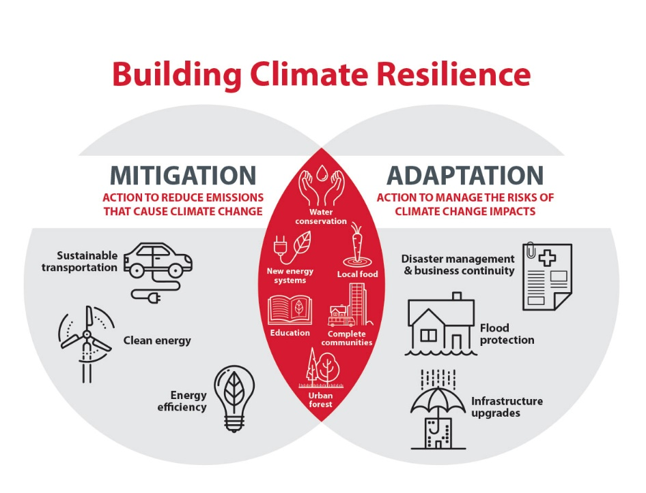
Hotels and resorts are responsible for a considerable amount of energy consumption worldwide. According to the United Nations World Tourism Organization, hotels contribute to about 1% of global emissions. As the largest threat to humanity, climate change calls for industries worldwide to adapt sustainable practices. In this report, we will explore energy efficiency permits in developing climate-resilient and sustainable hotels and resorts worldwide, with a focus on Marriott International’s initiatives.
Marriott International has committed to reducing its environmental impact by aiming to attain net-zero value chain greenhouse gas emissions by 2050. Their strategy includes reducing environmental impacts through sustainable hotels, responsible sourcing, and protecting ecosystems. The hospitality giant’s efforts align with the Paris Agreement’s emissions reduction targets based on scientific findings.
Improving energy efficiency reduces power demand, avoids exceeding supply during renewable transitions, creates jobs, reduces poverty and air pollution, and provides social benefits. It is crucial to prioritize energy equity and connectivity while reducing greenhouse gas emissions. Some countries have made progress towards increased energy efficiency while many still lag behind, necessitating policy gap bridging through initiatives like the United Nations Environment Programme’s United for Efficiency’s Initiative.
The Marcel hotel in New Haven, Connecticut, is an example of potential energy-efficient hospitality. It is set to become the most energy-efficient hotel in the US with features like a rooftop solar array and solar parking canopies that generate power. The Marcel has received Passive Building certification, meaning it uses 80% less energy than a typical US hotel.
To limit global warming to no more than two degrees Celsius, the hospitality industry must reduce emissions by 66% by 2030, as agreed upon at the Paris Climate Accords. Many hotel brands have set company-wide net-zero goals, including Hilton, Marriott, and Accor.
As decarbonization needs increase, developers are increasingly interested in net-zero hotels. Additionally, travelers are exhibiting a growing preference for greener options – a Booking.com report revealed that 81% of surveyed travelers expressed interest in staying at a sustainable accommodation.
Roseline Partners can help you obtain an energy efficiency permit for your hotel or resort property, ensuring that you are taking advantage of the latest clean tech resources and renewable energy technologies. Our experts are LEED AP and certified in real estate development. Call or contact us today to take advantage of this limited time offer to subscribe to our Sustainable Investing Digest. Our digest highlights case studies exploring developing economies, interviews reputable sources within the industries, and reviews the latest studies. Subscribe on LinkedIn https://www.linkedin.com/build-relation/newsletter-follow?entityUrn=7053058780464345088 Let’s build a sustainable future together!
#sustainability #energyefficiency #climatechange #cleanenergy #greenhotel #netzero #renewableenergy #hospitality #MarriottInternational #RoselinePartners #limitedtimeoffer #sustainableinvesting #emissionsreduction #globalwarming #ParisAgreement #UNEP #energyequity #connectivity #socialbenefits #greenereconomy #BarackObama #MotivationMonday